






Handheld B-Ultrasound vs Traditional Ultrasound: Where the Probe Wins and Where It Doesn't
- 2026-11-11
- 26
- Guangzhou Sonostar Technologies Co., Limited
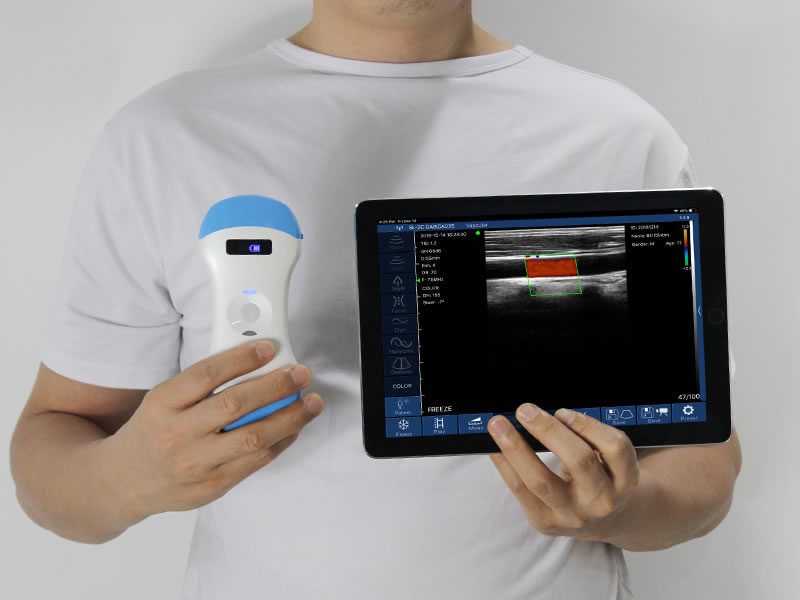
A handheld B-ultrasound is a probe with the console built into it: the beamformer, the battery and the Wi-Fi link sit inside the housing, and the image appears on a phone, tablet or laptop. Comparisons with a cart system are usually framed as a quality contest, which misses the point. The two devices solve different problems in different rooms. What actually changes is access, workflow, cost and infection control — and the cart keeps a clear advantage in one specific territory.
What changes when the console disappears
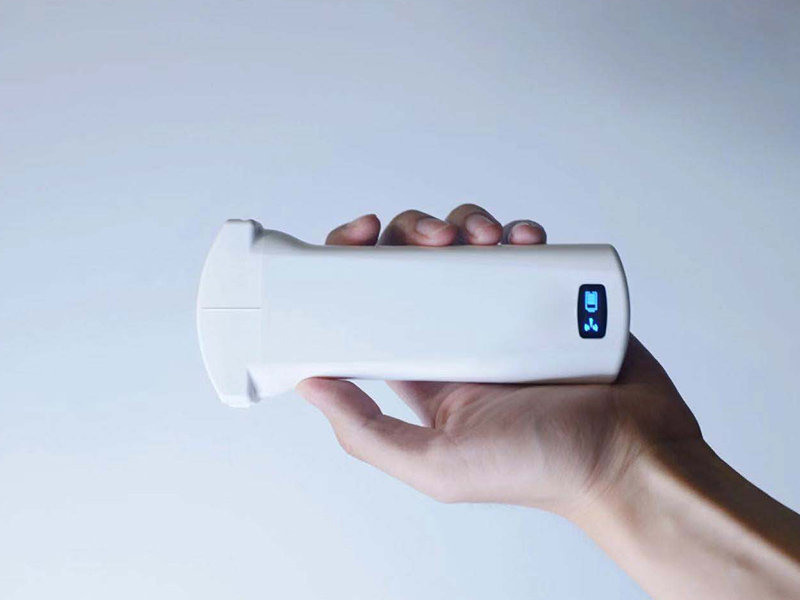
The probe is the system. A convex probe housing the electronics measures 86.4 x 61 x 115 mm and weighs 325 g; the wearable unit is 45 g. Nothing else comes in the case except a phone.
It broadcasts its own Wi-Fi. There is no dependency on the hospital network, which is why the same device works in an ambulance, a field tent, a village clinic and a dialysis unit without an IT ticket.
The battery is a component, not an afterthought. The 3D convex model takes a 2.200 mAh cell, ships with two, and runs about 1.5 hours per cell; earlier 2D models run around 3 hours on a full charge and recharge in two to three hours over USB. You swap cells between patients rather than chase an outlet.
The housing is IP67 and the probe fits inside a single-use sheath, so cleaning follows normal department routine instead of a special protocol. SonoStar has built these probes in Guangzhou since 2011 and ships to over 100 countries under NMPA, CE and FDA registration.
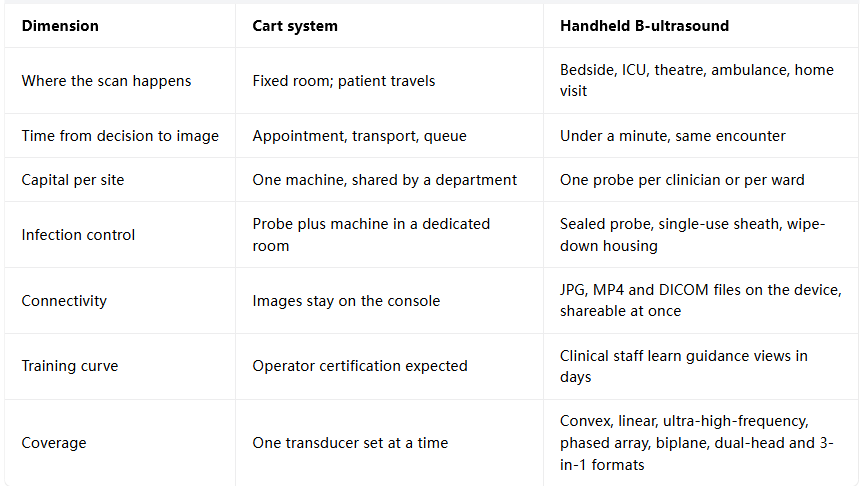
Seven practical differences
Where the cart still wins
Depth and resolution. A cart system images deeper and resolves finer detail; a handheld probe covers guidance views and screening, not a full abdominal or fetal anatomy survey.
Measurement and reporting. Measurement suites, formal worksheets and signed reports belong to the cart and the sonographer. Handheld images export to a PC if a report is needed, but the device itself is not built to produce one.
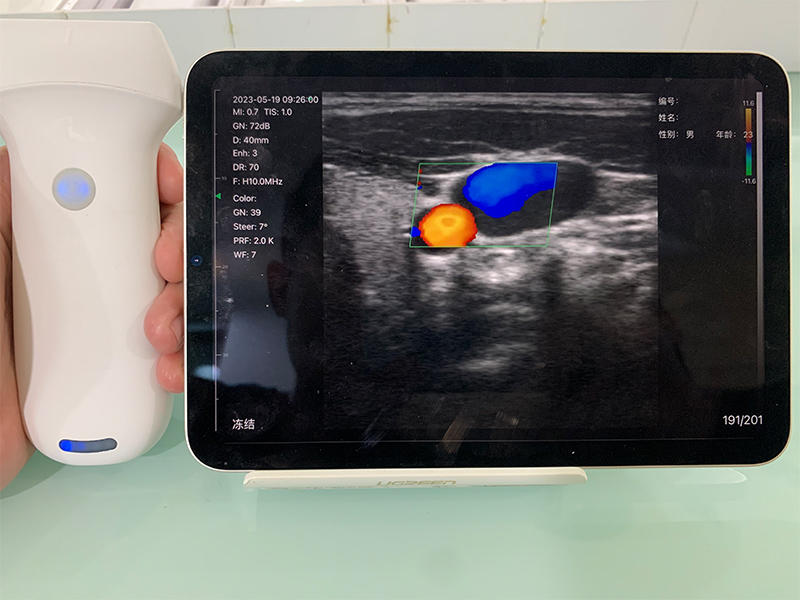
Colour flow. It sits on the 2D colour models; confirm per model that colour Doppler and the features you need coexist.
Multi-viewer work. A probe connects to one phone or tablet at a time. Android devices can mirror through Wi-Fi Direct; iOS blocks that route.
A supplier who claims the handheld replaces a cart is telling you something about their sales method. The ones worth buying from state the boundary in the opening meeting.

FAQ
Is a handheld B-ultrasound accurate enough for clinical decisions?
For guidance and screening — vessel localisation, fluid detection, fistula assessment, nerve blocks — yes. For diagnostic anatomy surveys and formal measurement, the cart remains the reference.
Does it need a hospital network or an internet connection?
No. The probe runs its own Wi-Fi access point; nothing else is required at the point of use.
Can a supervisor watch the scan live?
Not on one probe: it serves one device at a time. Android users can mirror a second screen through Wi-Fi Direct; iOS users cannot.
Guangzhou SonoStar Information Technology Co., Ltd. is a national high-tech enterprise specializing in miniaturized, intelligent ultrasound. We develop and manufacture handheld probe-style intelligent ultrasound imaging diagnostic devices, wearable B-mode ultrasound and other portable systems, supported by long-term industry–academia–research collaboration. CE- and FDA-registered, our products reach more than 100 countries and regions and serve clinical care, primary and emergency medicine, aesthetic medicine and veterinary practice — advancing accessible ultrasound for everyday care. Contact: Ms. Lin, +86 181 2686 2475.



 Home
 Product
 News
 Contact