






How Should Primary Clinics Choose the Right Portable Ultrasound Device
- 2026-07-20
- 1893
- Guangzhou Sonostar Technologies Co., Limited
When selecting a portable color Doppler ultrasound system, primary clinics are often overwhelmed by the multitude of models and technical specifications. Should portability come first, or image clarity? How do you balance cost and functionality? In recent years, probe-based wireless ultrasound devices—exemplified by SonoStar—have gained attention for their smartphone-sized form factor and cable-free operation, which directly address primary care’s core needs for portability and ease of use. This article outlines four key selection criteria—device form factor, image quality, disinfection convenience, and cost control—to help clinics find the ultrasound system that best fits their specific practice scenarios.
1. Understand the Two Form Factors of Portable Ultrasound
Currently, portable color Doppler ultrasound devices come in two main forms:
The traditional console + probe combination—though smaller than cart-based systems, it still includes a main unit and connecting cables.
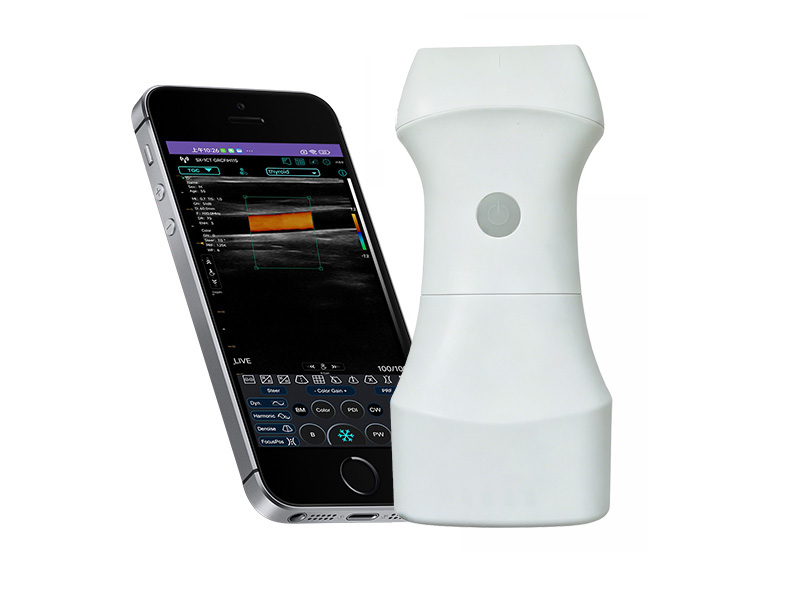
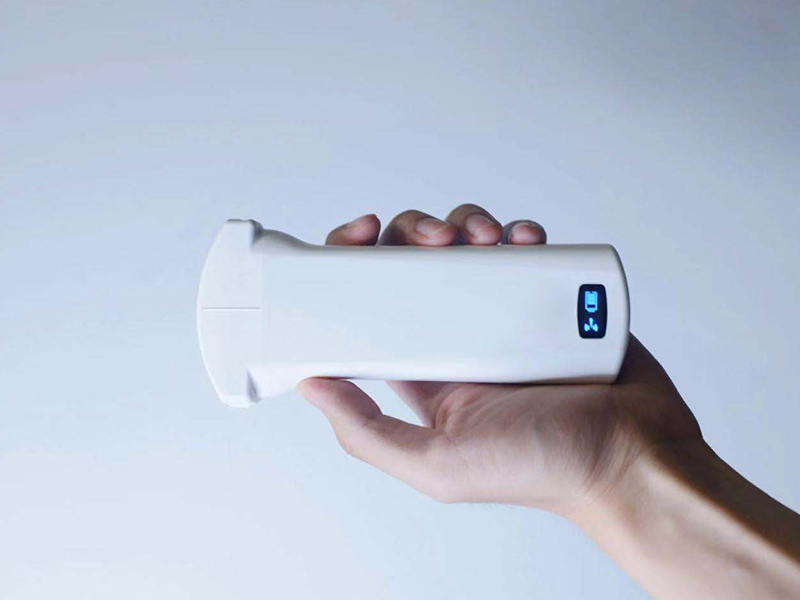
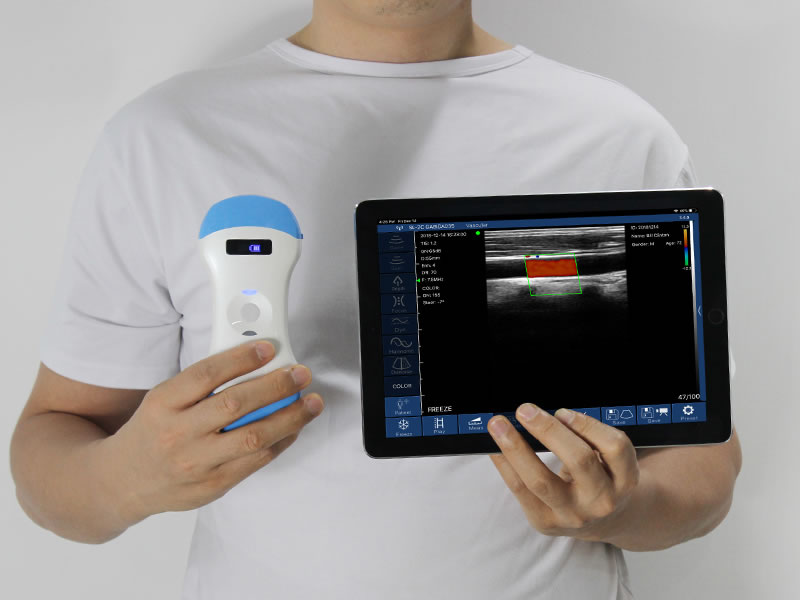
The probe-based wireless ultrasound—exemplified by SonoStar—integrates the entire host inside the probe itself. Weighing about 300 grams and roughly the size of a smartphone, it connects directly to a smartphone or tablet via Wi‑Fi for image display.
To use an analogy: the former is like shrinking a desktop computer into a laptop; the latter is like turning the computer into a mobile phone. For primary clinics, the probe-based wireless design offers significantly greater flexibility in carrying and operation. Doctors can slip it into their pocket for house calls or home visits, eliminating the hassle of moving heavy equipment around.

2. Image Quality: Don’t Just Look at Specs—Real-World Performance Matters
Many clinics tend to compare parameters such as frequency, number of channels, and frame rate when selecting a device. However, these numbers often do not directly reflect actual imaging performance. Instead, we recommend focusing on three practical aspects:
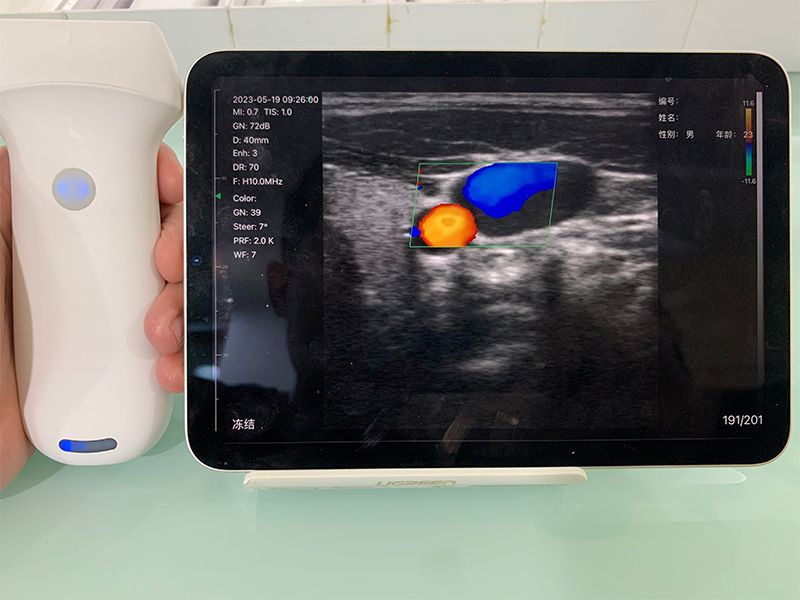
Resolution – Can it clearly distinguish tissue boundaries and fine structures?
Tissue contrast – Can it clearly differentiate between solid parenchymal organs (liver, kidney, uterus) and cystic structures?
Real-time fluency – Is the scan smooth without stutter or delay? Is the blood flow signal continuous?
The most reliable approach is on-site testing—scan actual patients (or standard phantoms) and evaluate image performance in common clinical applications such as abdominal, gynecological, and superficial examinations.
3. Disinfection Convenience Directly Affects Daily Usage Frequency
Primary clinics see a high volume of patients every day, so the ease of device disinfection is critical. Traditional wired ultrasound systems have multiple crevices on cables and consoles, making cleaning and disinfection time‑consuming. Some clinics may reduce the frequency of disinfection to save effort, which increases the risk of cross‑infection.
Take SonoStar as an example: its probes feature IP67‑grade waterproof design, support direct wiping with medical disinfectants, and are compatible with disposable sterile probe covers. This not only meets infection control standards but also ensures that disinfection routines do not become a barrier to regular use.
4. Cost Control: Look at the Total Cost, Not Just the Purchase Price
Primary clinics operate on limited budgets, so price is certainly an important factor. However, you should calculate the total cost of ownership, not just the initial purchase price.
SonoStar’s wireless ultrasound is priced at a fraction of imported portable color Doppler systems—a very clear upfront difference. But there are also hidden costs to consider: traditional systems require dedicated storage space, specialized operators, and maintenance; cable damage also incurs replacement costs. With wireless ultrasound, these costs are largely eliminated. In many cases, you can even train nurses to acquire images while the ultrasound physician interprets them remotely, further saving on staffing expenses.

FAQ
Q: Can wireless ultrasound image quality really compare to wired systems?
A: SonoStar wireless ultrasound uses low‑latency Wi‑Fi direct technology, so there is no noticeable transmission delay. Its actual imaging performance is on par with many portable color Doppler systems. We encourage side‑by‑side live demonstrations for comparison.
Q: How many units should a primary clinic purchase?
A: This depends on daily patient volume and departmental distribution. Generally, 2–3 units can meet the needs—for example, one for emergency, one for outpatient, and one for house calls—to avoid either idle equipment or shortage.
Q: What about after‑sales service and repairs?
A: Prioritize brands with local after‑sales support. Be sure to clarify the warranty period and response time for repairs. Probe‑based wireless devices have a simpler construction with fewer failure points, but you should also confirm battery life and replacement costs.
Choosing the right portable color Doppler ultrasound for a primary clinic ultimately comes down to four key questions: Is the device truly portable? Does the image quality meet your diagnostic needs? Is disinfection easy enough for daily practice? And is the total cost manageable? If you have further questions during your selection process, feel free to leave a comment below for discussion.


 Home
Home Product
 News
News Contact