






Laptop Ultrasound vs Handheld vs Cart: How to Choose the Right Machine
- 2026-10-20
- 62
- Guangzhou Sonostar Technologies Co., Limited
Today's ultrasound market splits into three practical form factors: the laptop/portable console, the handheld wireless probe, and the cart-based system. They are not strictly better-or-worse — they trade off portability, image performance, and price. Below is a buyer's comparison to help you choose.
1. The Three Form Factors at a Glance
| Laptop / Portable | Handheld (wireless probe) | Cart-based | |
|---|---|---|---|
| Portability | Carries like a laptop; needs a surface | Pocket-sized; works in hand | Wheeled; stays in a room |
| Image performance | Strong; near console-class | Good for POCUS; smaller screen | Highest; large display, full presets |
| Price band | Mid | Lowest entry | Highest |
| Best for | Rooms, mobile clinics, shared use | Bedside, field, quick checks | Imaging depts, full exams |
| Examples | C5 / SS-7C Laptop series | 3-in-1 / convex / linear probes | C200T / C300 series |
2. What Is a Laptop / Portable Ultrasound?
A laptop ultrasound (often called a portable color Doppler system) packs a full console into a laptop-shaped body with a built-in or attached screen, a standard transducer connector, and comprehensive presets. It sits between handheld and cart systems: more capable than a pocket probe, far more mobile than a wheeled unit. SonoStar's PortableUS line (e.g., the C5 Laptop Color Doppler and SS-7C Laptop) is one example of this tier.

3. Laptop Ultrasound — Pros & Cons
Pros: Near-console image quality, full keyboard/trackpad workflow, broad transducer support, still lift-and-carry between rooms.
Cons: Needs a flat surface; heavier than a probe; higher cost than handheld; not usable mid-walk or in tight field conditions.

4. Handheld (Wireless Probe) — Pros & Cons
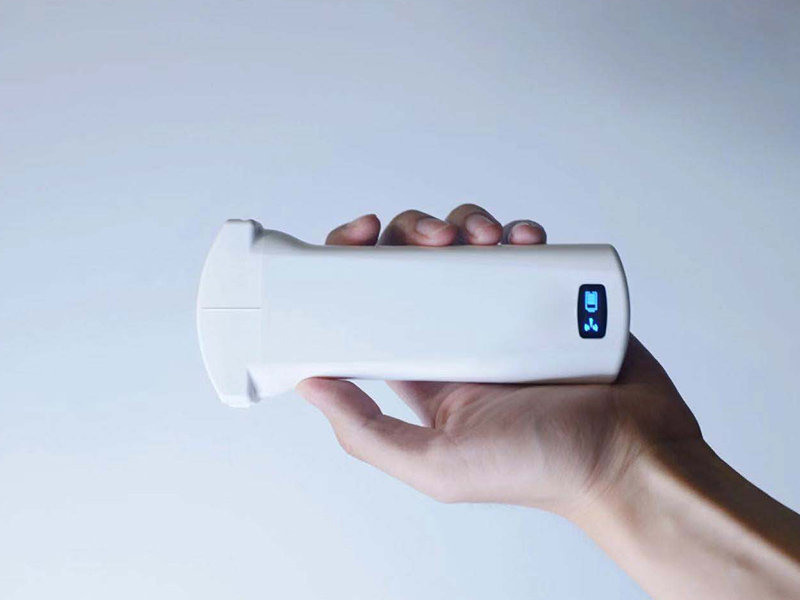
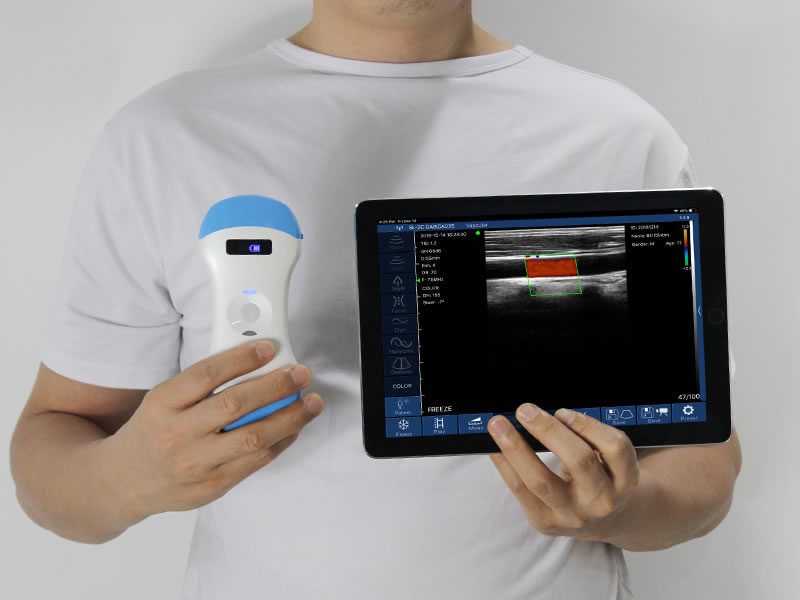
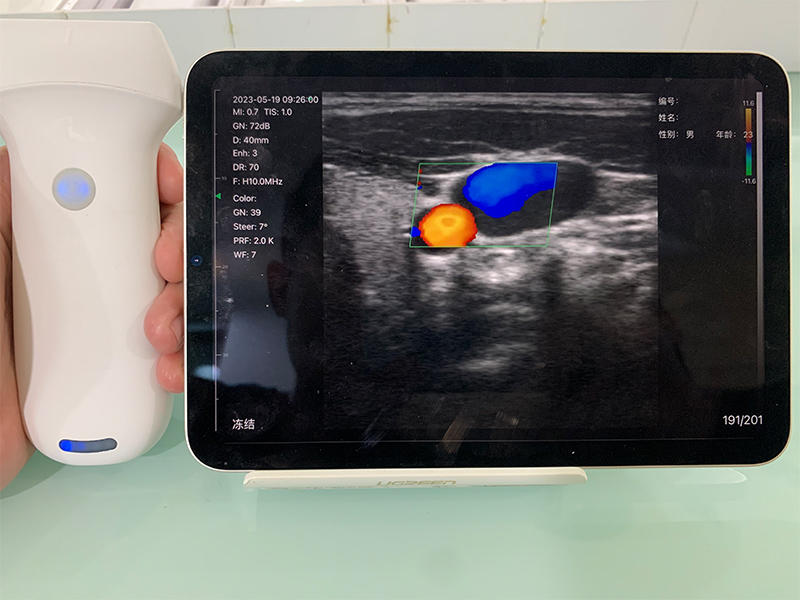
Pros: Pocket-sized, streams to phone/tablet/PC, lowest entry price, ideal for bedside and POCUS. See our probe types guide and 3-in-1 probe article.
Cons: Smaller screen, fewer presets, image ceiling below cart systems for detailed exams.

5. Cart-Based — Pros & Cons
Pros: Highest image quality, largest display, full transducer ecosystem, stable for full diagnostic exams.
Cons: Not portable room-to-room easily, highest cost, needs dedicated space.
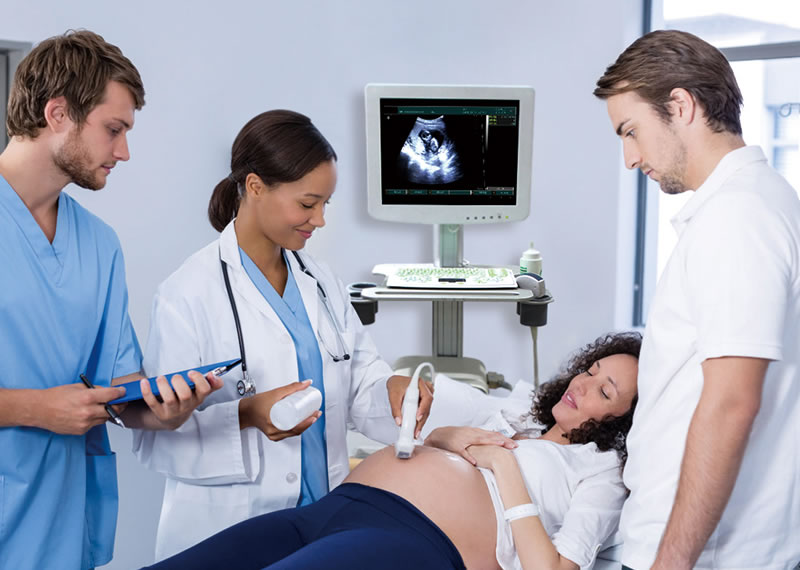
6. How to Choose by Setting
| Setting | Recommended form factor | Why |
|---|---|---|
| Emergency / POCUS at bedside | Handheld | Instant, always within reach |
| Clinic room / mobile unit | Laptop / portable | Quality + carry between rooms |
| Field / veterinary / outreach | Handheld or laptop | Power and portability |
| Imaging department / full exams | Cart-based | Max performance and presets |
| Mixed workflow | Laptop + handheld | Laptop as base, handheld for quick checks |
7. One Manufacturer, Three Tiers
SonoStar covers all three tiers, so a buyer can standardize on one supplier: PalmUS handheld probes (e.g., 8CPL 3-in-1), the PortableUS laptop series, and TrolleyUS cart systems (e.g., C200T). Matching tier to task avoids over- or under-buying.
8. Quick Buyer Checklist
Define the primary setting (bedside, room, field, department).
Rank portability vs image need — pick the lowest tier that meets image requirements.
Confirm transducer options for your exams (convex/linear/phased).
Check certifications (CE MDR, ISO 13485, FDA where relevant) and local registration.
Plan budget and volume — handheld for scale, cart for depth.
Frequently Asked Questions
What is a laptop ultrasound?
A laptop (portable) ultrasound is a console-class scanner in a laptop-shaped body with a screen and standard transducer connector — more capable than a handheld probe, more mobile than a cart.
Is a handheld better than a laptop ultrasound?
Neither is universally better. Handheld wins on portability and price for bedside/POCUS; laptop wins on image quality and workflow for room-based exams. Choose by setting.
When should I choose a cart-based system?
When you need maximum image quality, a large display, and the full transducer ecosystem for diagnostic exams in a fixed location — typically imaging departments.
Can one manufacturer supply all three?
Yes. Suppliers like SonoStar offer handheld (PalmUS), laptop (PortableUS), and cart (TrolleyUS) lines, letting you standardize across tiers.
Which is most cost-effective to start?
Handheld probes have the lowest entry cost and are ideal for scaling POCUS; add a laptop or cart as exam complexity grows.
What should I verify before buying?
Match the form factor to your setting, confirm transducer coverage, and verify certifications (CE MDR, ISO 13485, FDA where applicable) and local registration.
Comparing machines for your workflow?
Explore the tiers side by side: handheld probes, the laptop/portable series, and cart-based systems. Or read the 2026 handheld ultrasound guide.
This guide is for procurement and workflow planning only, not medical advice. Confirm certifications and local registration for your target market before purchasing.
- Pre:How to Use a Handheld Ultrasound: A POCUS Beginner's Guide
- Next:No more



 Home
 Product
 News
 Contact