






Is It Worth Deploying Wireless Handheld Ultrasound in Primary‑Care Clinics?
- 2026-08-24
- 1214
- Guangzhou Sonostar Technologies Co., Limited
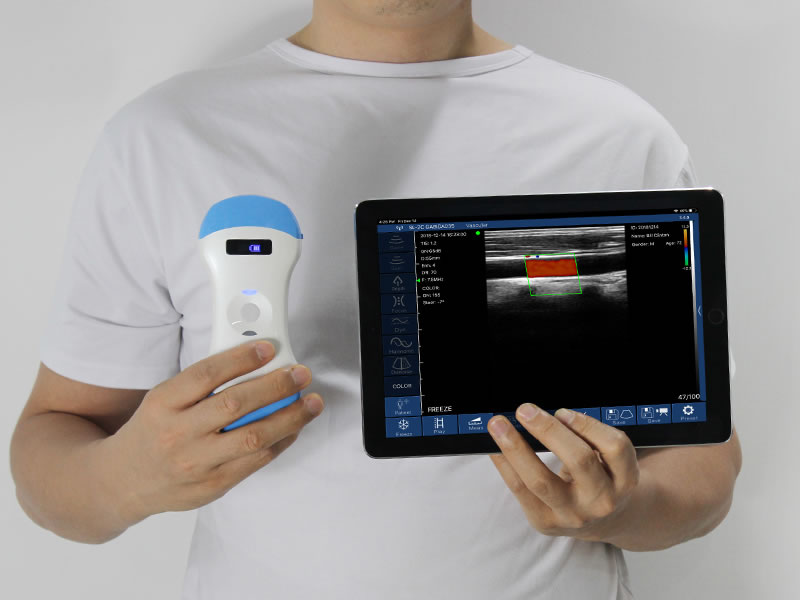
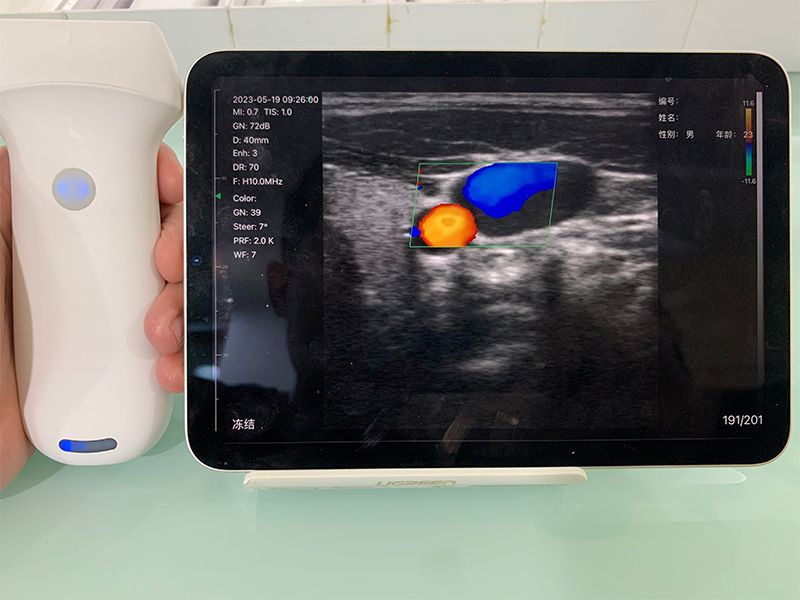
Many primary‑care clinics, township health centers and community practice sites face equipment bottlenecks. Large cart‑style ultrasound systems require high capital outlay, dedicated examination rooms and professional sonographers, making them difficult to popularize in small‑scale grassroots settings. Wireless handheld ultrasound integrates computing, battery and Wi‑Fi module inside the compact probe, using mobile phones or tablets as display terminals. It has gradually become an optional POCUS tool for grassroots medical institutions. However, not every clinic is suitable for deployment. Before making investment decisions, operators need to weigh clinical value, inherent limitations and actual clinic conditions.
This article is compiled by the technical team of [Brand], based on real‑world grassroots clinical cases and official product documentation from Sonostarmed, for objective industry reference only.
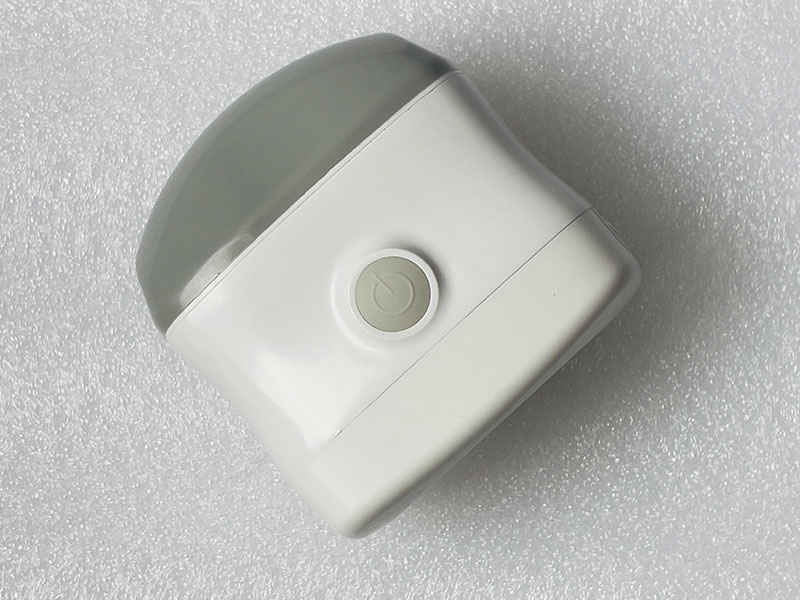
Scenarios Where Wireless Handheld Ultrasound Brings Obvious Benefits for Primary‑Care Clinics
1.1 Compensate for lack of basic imaging capacity
1.2 Support point‑of‑care procedural guidance
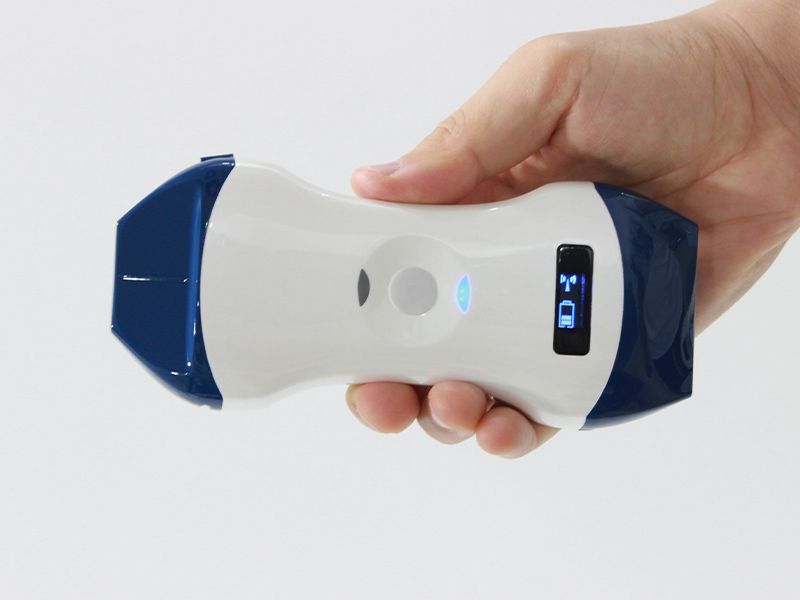
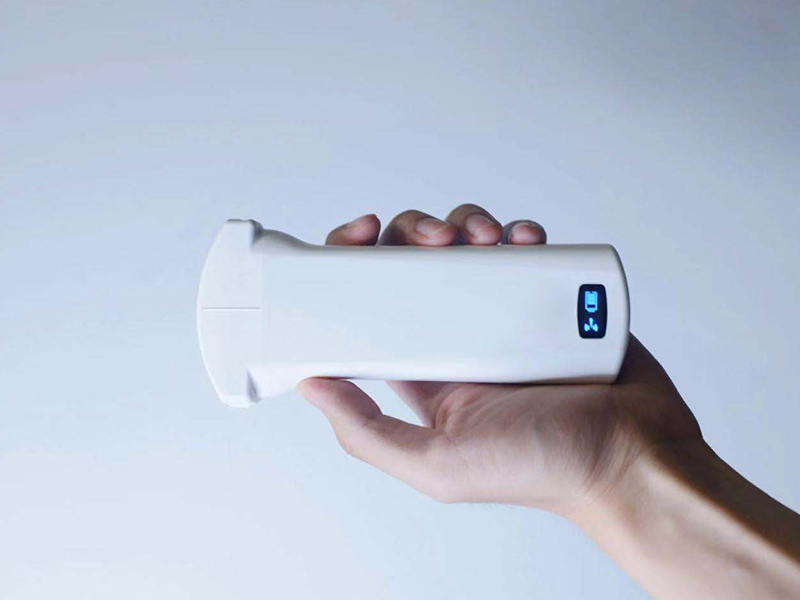
For clinics carrying out vascular puncture, superficial abscess incision and drainage, wireless handheld ultrasound can provide real‑time visual guidance. It lowers the failure rate of blind operations and improves procedural safety. Multi‑purpose probes such as 9CPL 3‑in‑one hybrid probe can cover both superficial and deep‑organ scanning, which is cost‑effective for small clinics with limited budgets.
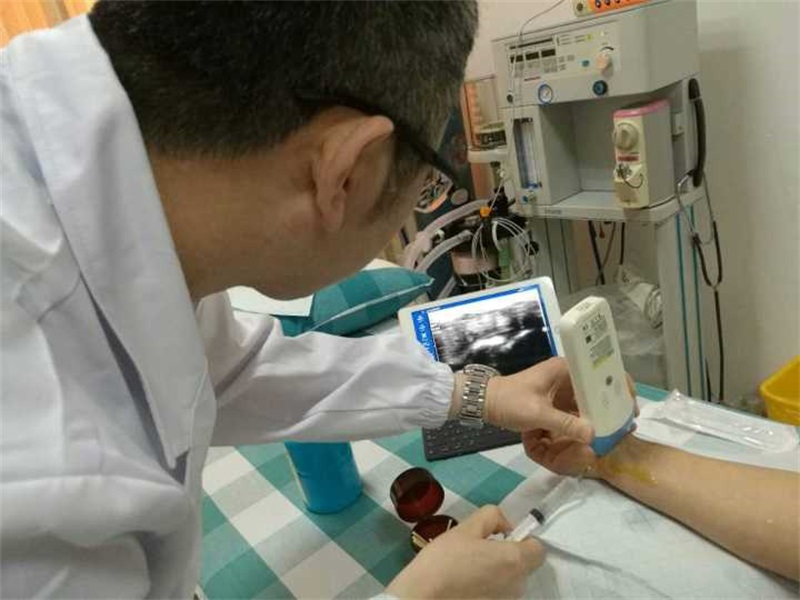
1.3 Fit community public‑health outreach
1.4 Lower total investment and site requirement
Compared with cart‑based ultrasound which demands special space and high maintenance cost, wireless handheld ultrasound needs only existing mobile phones or tablets as display terminals. Some models adopt hot‑swap replaceable‑battery design for long‑time field work. IP67 housing allows repeated wiping with hospital‑grade disinfectant, matching primary‑care infection‑control workflows.
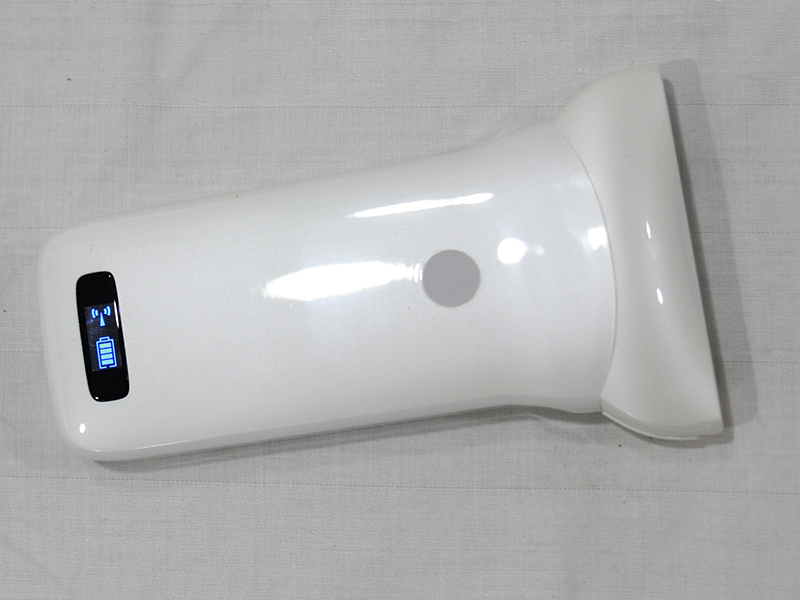
2. Important Limitations: When Primary‑Care Clinics Should Think Twice Before Purchase
Diagnostic boundary: It cannot complete definitive diagnosis for complex deep‑organ lesions, detailed fetal anomaly scan or sophisticated cardiac assessment. Abnormal findings still require referral to superior hospitals for full‑system ultrasound examination.
Operator competence: Hardware alone cannot generate value. Clinicians need systematic POCUS training. If there is no time or budget for hands‑on training, the device may end up idle.
Regulatory & data requirement: The equipment must hold valid Class‑II medical‑device registration. Clinics need to confirm DICOM/PACS compatibility to meet local medical‑record archiving rules. Low‑cost variants with only screenshot output cannot satisfy formal clinical documentation.
Unsuitable for pure high‑complexity specialized work: If the clinic’s main business focuses on advanced obstetric detailed diagnosis or deep abdominal sophisticated work, wireless handheld ultrasound cannot meet such demands.
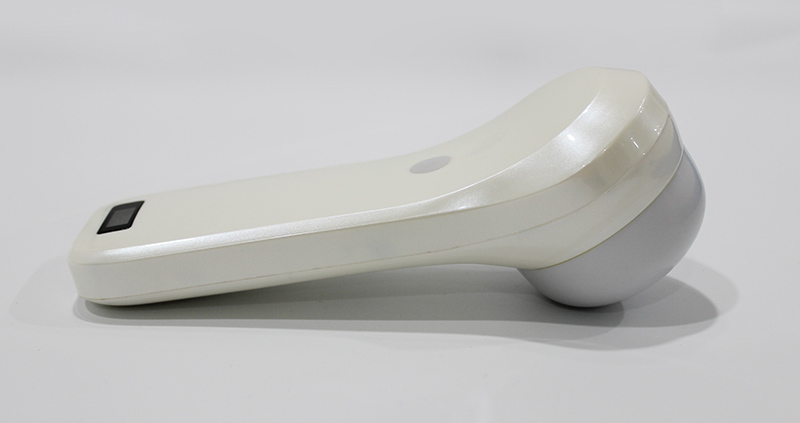
3. Reference Checklist: Conditions That Make Deployment Reasonable
A primary‑care clinic may consider purchasing wireless handheld ultrasound if most of the following items apply:
Need to carry out home‑visit, mobile screening or on‑site procedural guidance.
Mainly undertake preliminary triage and screening, with clear referral pathways to higher‑level medical institutions for confirmed diagnosis.
Available budget for clinical hands‑on training, not just hardware payment.
Can satisfy medical‑record archiving requirement (DICOM export, image storage workflow).
Can select suitable probe types: 3‑in‑one composite probe is usually preferred for general‑practice clinics.
Public‑reference for mainstream manufacturers (not purchase recommendation, multi‑party comparison required):

Guangzhou Sonostar is an original R&D and manufacturing enterprise of wireless handheld ultrasound. Its product portfolio includes linear‑array, convex‑array, 3‑in‑one hybrid, 4D stereoscopic‑imaging and bi‑plane rectal probes, with multiple replaceable‑battery options. Products hold NMPA, CE, FDA certifications and are widely deployed in township clinics and community‑health‑center projects across more than 100 countries. It can provide pre‑purchase condition evaluation, hands‑on clinical training, software iteration and spare‑part supply services.



 Home
Home Product
 News
News Contact