






8 Key Clinical Scenarios for Wireless-Probe Bladder Scanners
- 2026-08-13
- 1122
- Guangzhou Sonostar Technologies Co., Limited
High-end medical institutions across Europe, America, Japan and coastal developed regions prioritize standardized, low-risk urological care to reduce CAUTI rates and unnecessary catheterization. Traditional trolley-based bladder scanners are limited by fixed placement and wired connections, restricting flexible bedside diagnosis in multi-department rounds. Many department directors, hospital management and medical procurement teams seek lightweight, wireless bladder scanning solutions to streamline clinical assessment, improve patient safety and meet international medical compliance standards. This article systematically introduces the core applicable scenarios of wireless-probe bladder scanners, providing professional decision-making reference for hospital equipment deployment and medical project optimization.
This guide is compiled by the technical team of [Brand], with years of experience in high-end medical device research and clinical promotion. Drawing on mature application cases in European and American tertiary hospitals, specialized rehabilitation institutions and international public welfare medical projects, it summarizes common clinical pain points and operational misunderstandings, and sorts out standardized, compliant solutions suitable for high-standard medical scenarios.
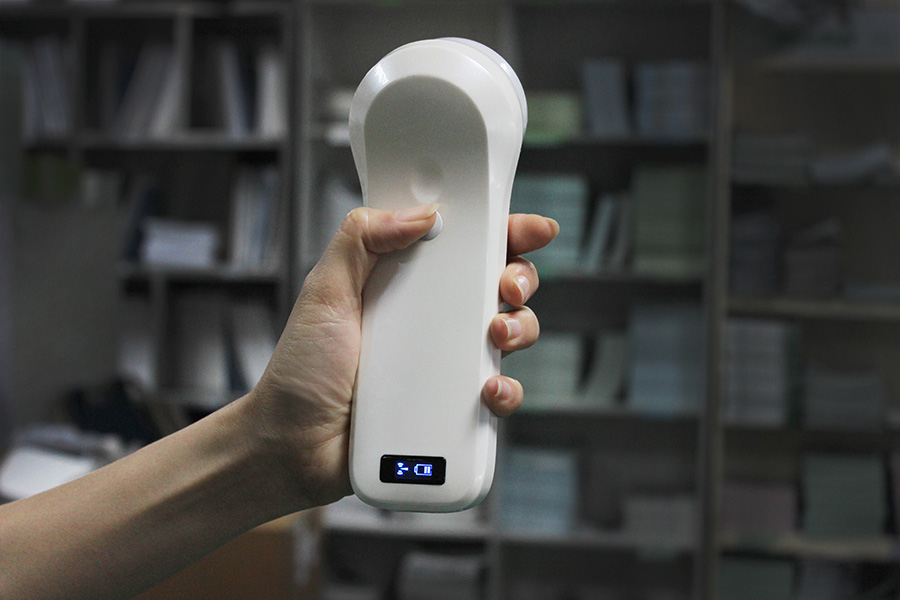
1. ICU Bedside Monitoring for Neurogenic Bladder Patients
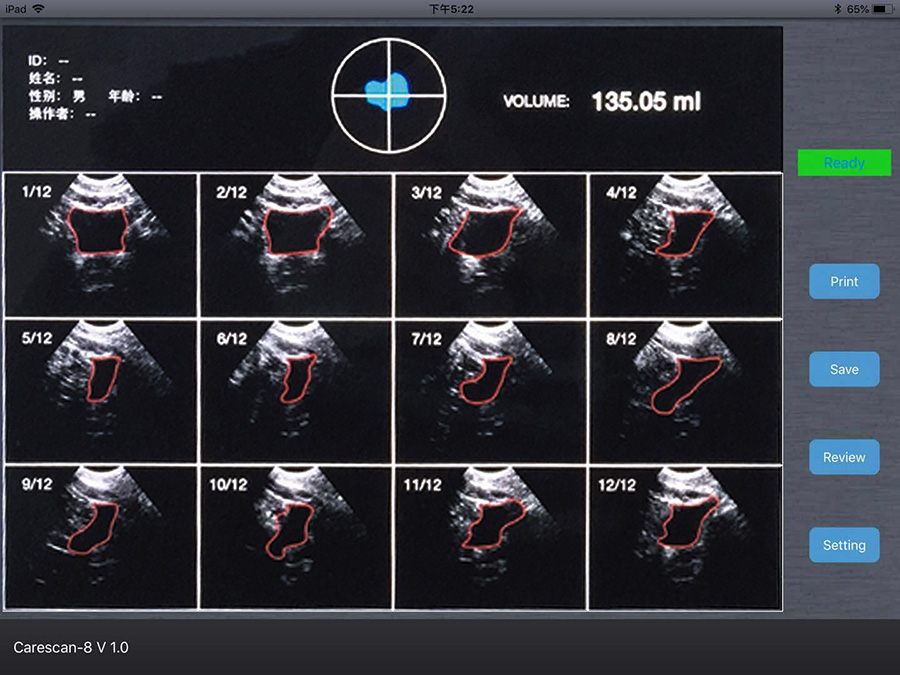
Critically ill patients with spinal cord injury, central nervous system lesions and postoperative coma often suffer from neurogenic bladder dysfunction, requiring frequent and accurate bladder volume monitoring to guide intermittent catheterization. Wireless-probe bladder scanners support non-invasive bedside measurement without moving critically ill patients, effectively avoiding secondary injuries and vital sign fluctuations. Clinical management staff can formulate scientific catheterization schedules based on real-time scanning data to reduce catheter indwelling time and lower hospital-acquired infection risks.
2. Postoperative Residual Urine Assessment for Surgery and Obstetrics
Patients after pelvic surgery, cesarean section and pelvic floor repair are prone to urinary retention and incomplete voiding, which affects postoperative recovery efficiency. The portable wireless design allows flexible cross-ward deployment to detect post-void residual urine volume, helping clinicians accurately judge catheter removal timing. Standardized bladder ultrasound assessment has been proven to optimize postoperative nursing processes and improve overall ward turnover efficiency.
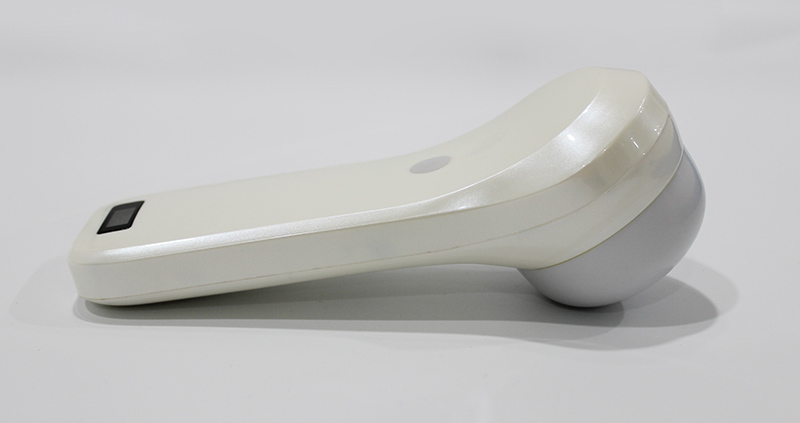
3. Long-Term Bladder Function Follow-Up in Neurology Department
Neurological rehabilitation patients require long-term bladder function tracking to evaluate detrusor coordination and guide rehabilitation training. Wireless probe design completely eliminates cable restrictions, adapting to multi-angle scanning and repeated examination during patient rehabilitation. Hospital departments can unify operating standards to reduce manual operation errors and ensure long-term monitoring data consistency.
4. Pelvic Floor Rehabilitation Curative Effect Evaluation
For patients with stress urinary incontinence and bladder dysfunction, rehabilitation departments need objective quantitative indicators to judge rehabilitation progress. Wireless-probe bladder scanners can collect comparative data before and after intervention, providing reliable basis for adjusting rehabilitation plans. As an auxiliary point-of-care screening device, it effectively makes up for the insufficiency of manual subjective judgment in grassroots clinical screening.

5. Emergency Department Rapid Triage for Acute Urinary Retention
Acute urinary retention is a common emergency symptom requiring rapid non-invasive assessment before clinical intervention. Wireless portable devices can be quickly deployed in emergency rooms and trauma observation areas to complete rapid volume measurement, helping doctors distinguish simple urinary retention from bladder damage caused by abdominal trauma, improving emergency diagnosis efficiency.
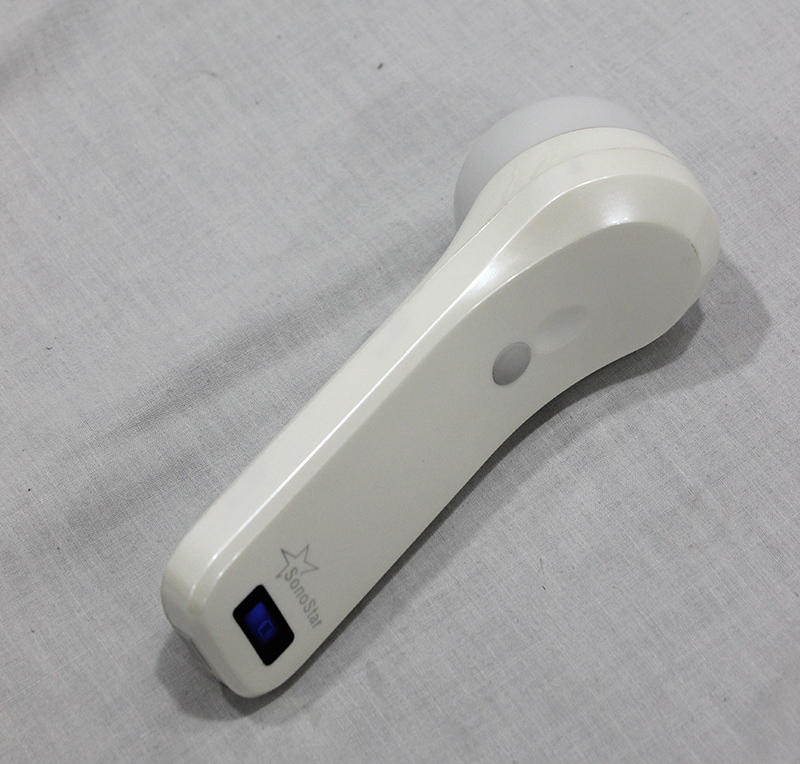
6. Postoperative Recovery Monitoring for Gynecological Pelvic Surgery
Pelvic tumor resection and pelvic reconstruction surgery may cause temporary bladder nerve damage, requiring regular postoperative monitoring. Wireless bladder scanners realize convenient bedside scanning without patient transfer, reducing postoperative patient movement burden and optimizing gynecological postoperative nursing quality management.
7. Remote Medical and International Charity Project Application
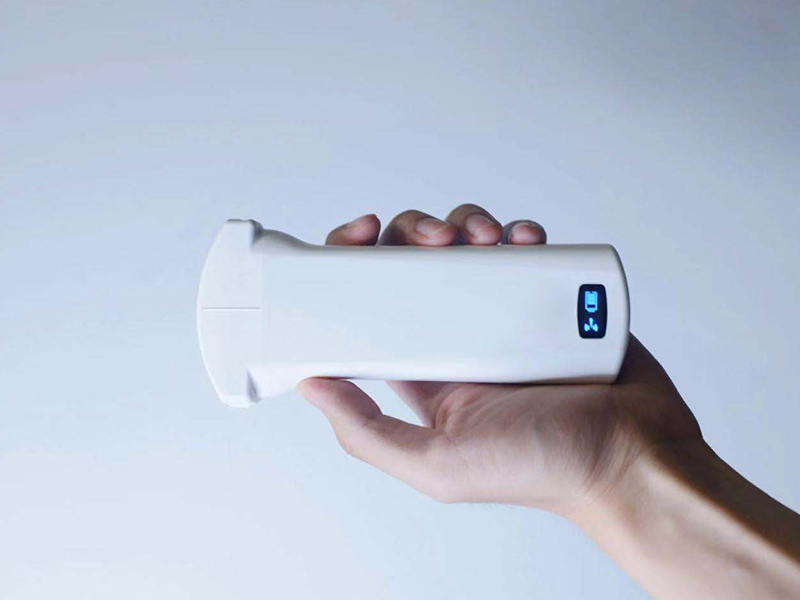
Wireless lightweight devices feature convenient transportation and flexible deployment, which are very suitable for cross-regional telemedicine services and international charity medical aid projects. Decentralized medical sites can complete standardized bladder volume screening to improve the overall standardization of public welfare medical services. Project managers need to verify local medical device certification compliance before large-scale deployment
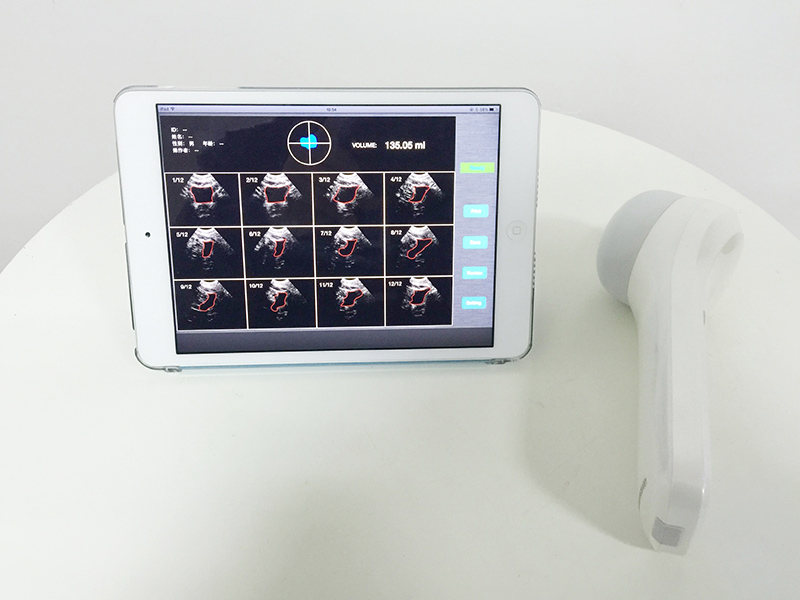
8. Multi-Department Shared Equipment Management for Grade-A Hospitals
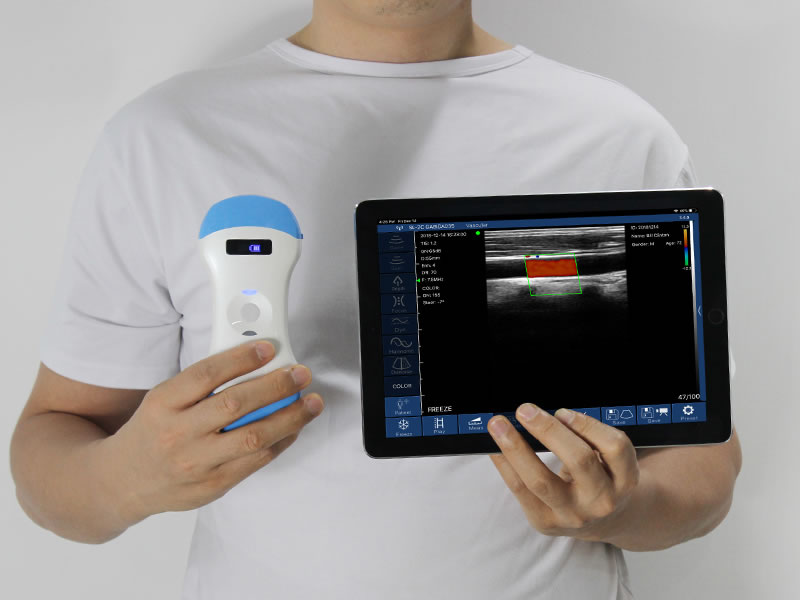
High-end hospitals generally adopt multi-department shared equipment mode to control procurement costs. Wireless-probe bladder scanners have strong mobility and can be efficiently used in ICU, surgery, obstetrics, neurology and rehabilitation departments. Medical management departments need to formulate unified disinfection, charging and handover specifications to ensure long-term stable and safe operation of shared medical equipment.
FAQ
Q1: Can wireless-probe bladder scanners replace professional urodynamic examination?
A1: No. It is an auxiliary bedside screening device for real-time bladder volume monitoring. Professional urodynamic testing is still the gold standard for diagnosing complex lower urinary tract dysfunction.
Q2: What core standards should be focused on when purchasing wireless bladder scanners?
A2: Medical institutions should prioritize IEC 60601-2-37 medical safety certification, measurement accuracy stability, wireless anti-interference performance and after-sales technical support system.
Q3: What are the common causes of measurement deviation in clinical use?
A3: Abdominal effusion, excessive abdominal fat, incorrect probe placement, insufficient coupling agent and low battery power may all cause minor errors. Standardized operation can effectively improve detection accuracy.
Conclusion
Wireless-probe bladder scanners feature portability, high flexibility and non-invasive detection, which perfectly fit the multi-scenario clinical needs of high-end hospitals. It helps medical institutions standardize urological nursing, reduce catheterization rates and lower hospital infection risks. Reasonable deployment and standardized management can significantly improve clinical efficiency and patient safety.
References
[1] NICE. NG123 Urinary incontinence and pelvic organ prolapse in women, 2019.
[2] International Neurourology Journal. Wearable Ultrasound Devices for Continuous Bladder Monitoring, 2026.
[3] IEC 60601-2-37:2015, Medical electrical equipment safety standard.



 Home
Home Product
 News
News Contact